What is the BIRADx System (BDS)?
In radiological tests, breast abnormalities are categorised from BIRADS-1 to BIRADS-5 based on the likelihood of cancer. Abnormalities identified as BIRADS-3 require follow-up every 3 to 6 months, while those diagnosed as BIRADS-4a and higher require a biopsy.
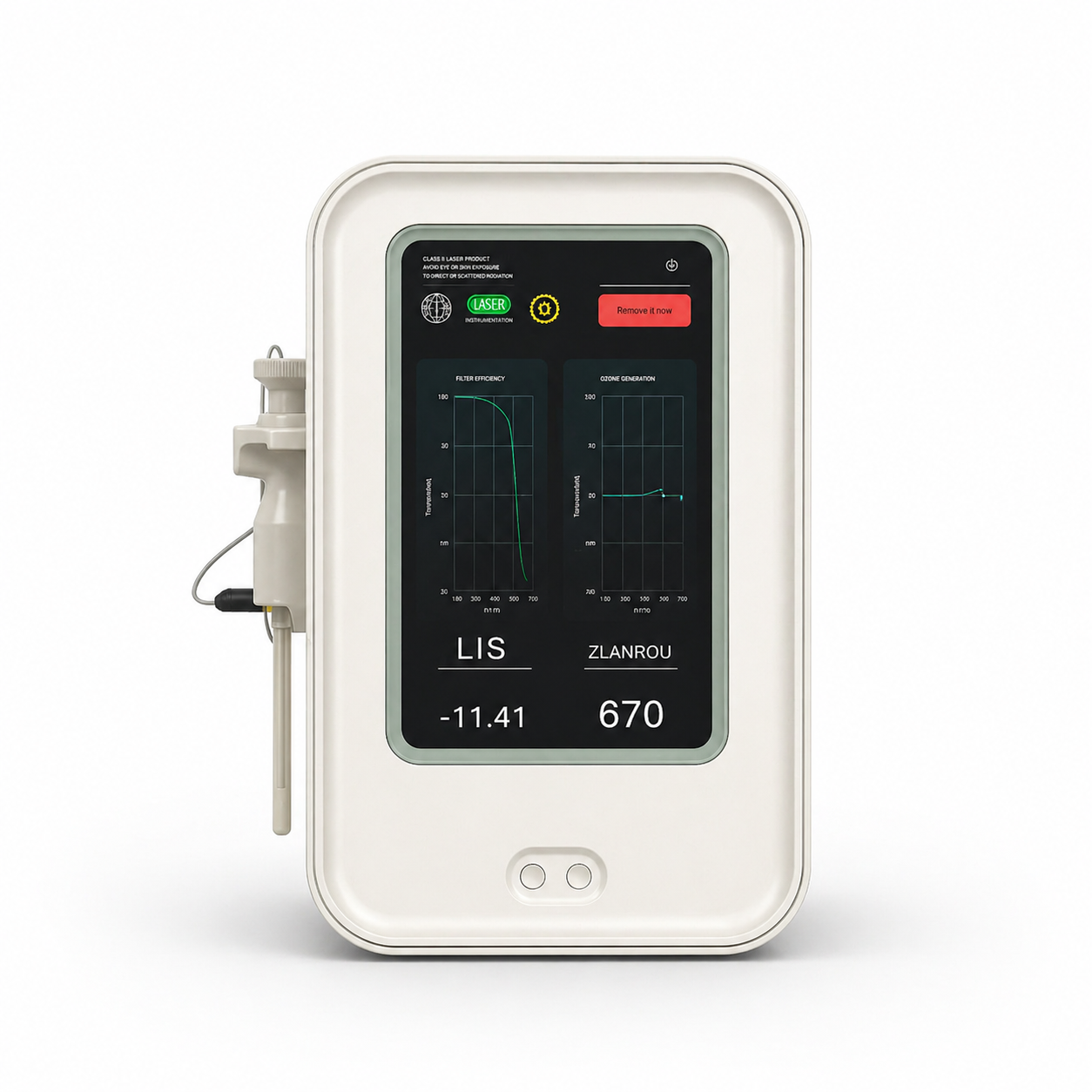
The limitations of sonography in detecting these abnormalities often result in delays in patient treatment and necessary biopsies. The BIRADx System is a new and innovative technology where a specially designed probe is inserted into the patient's body under ultrasound guidance and removed after a few seconds, with test results instantly displayed.
BDS can be particularly beneficial for young patients with dense breast tissue, especially those with BIRADS-3 masses that are difficult to evaluate with mammography. Additionally, patients with BIRADS-3 masses and a family history of breast cancer can also benefit from this system.
How the BIRADx System Works
Probe Insertion
A specially designed probe is inserted into the breast mass under ultrasound guidance — minimally invasive and quick.
Impedance Measurement
The probe measures bioelectrical impedance properties of the tissue, which differ between benign and malignant masses.
Instant Results
After a few seconds, the probe is removed and results are instantly displayed — no lab processing, no waiting.
Clinical Decision
Results guide the clinician on whether the mass requires biopsy, excision, or follow-up — reducing unnecessary procedures.
BDS has important applications in distinguishing simple fibroadenomas from complex fibroadenomas and phyllodes tumors — a critical differentiation that impacts surgical planning.
Clinical Study Results
BDS has displayed encouraging results in a study involving 138 breast masses, achieving the following performance metrics:
Correctly identified the presence of tumors in 95 out of 100 cases.
Correctly identified benign masses in 89 out of 100 cases, minimising false positives.
Overall diagnostic accuracy across all 138 breast masses in the validation study.
BDS's innovative technology has earned several US patents and is recognised in numerous scientific publications, validating its clinical utility and reliability.
Why Clinicians Choose BDS
No lab processing required. Results displayed immediately after probe removal.
Ideal for masses difficult to evaluate with standard mammography, especially in dense breast tissue.
Probe-based design with ultrasound guidance — minimal patient discomfort.
Helps clinicians avoid unnecessary biopsies for benign masses, reducing patient anxiety and costs.
Distinguishes simple fibroadenomas from complex fibroadenomas and phyllodes tumors.
Particularly beneficial for young patients with dense breast tissue where mammography is limited.
Multiple US patents protecting the core technology, backed by peer-reviewed publications.
Valuable for BIRADS-3 patients with a family history of breast cancer requiring closer monitoring.
See BDS in Action
BIRADx System (BDS) — Distributed in India by Aadvik Hospicare | Request a live demo
Understanding Breast Cancer
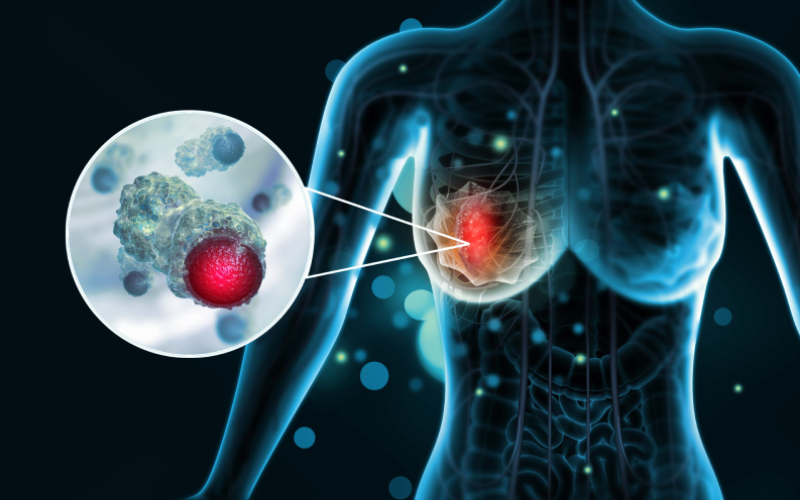
Breast cancer has a very long history, first reported more than 3,500 years ago. Today, it is the second most prevalent form of cancer-related morbidity and mortality among women worldwide. Advances in medical science have paved the way for early diagnosis and innovative treatment options, leading to improved survival rates and quality of life for patients.
Patients with small tumor sizes have a significantly higher survival rate. Many technologies are developed for early detection of primary tumors, as well as recurrent and metastatic disease, for effective breast cancer management.
Diagnostic Methods for Breast Cancer
Clinical Breast Examination
Physical examination by a healthcare professional for abnormalities in skin, nipple, shape, or lumps.
Mammography
Specialised X-ray imaging to detect tumors too small to feel. Recommended for women 40+ or with family history.
Breast Ultrasound
Uses sound waves to characterise solid masses or fluid-filled cysts and determine if biopsy is needed.
Breast MRI
Detailed imaging using radio waves, particularly useful for high-risk women or dense breast tissue.
BIRADx System (BDS)
Probe-based real-time assessment for BIRADS-3 masses. 95% sensitivity. Instant results. No lab required.
Biopsy
Definitive diagnosis through tissue extraction — FNA, core needle, or surgical biopsy.
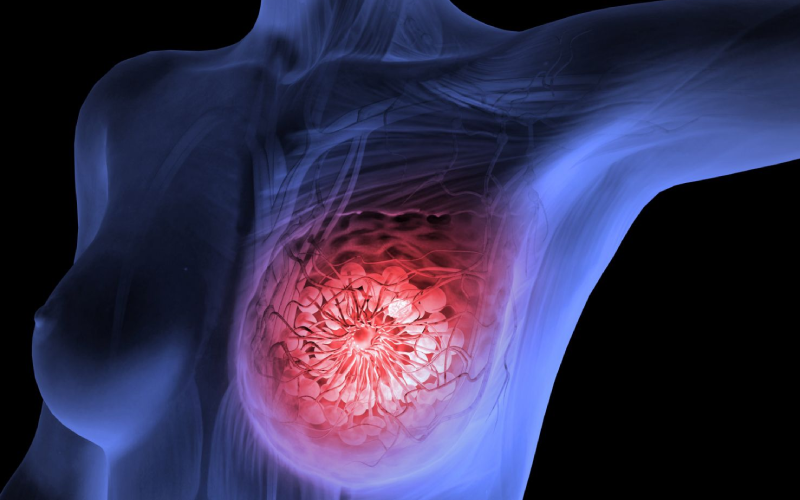
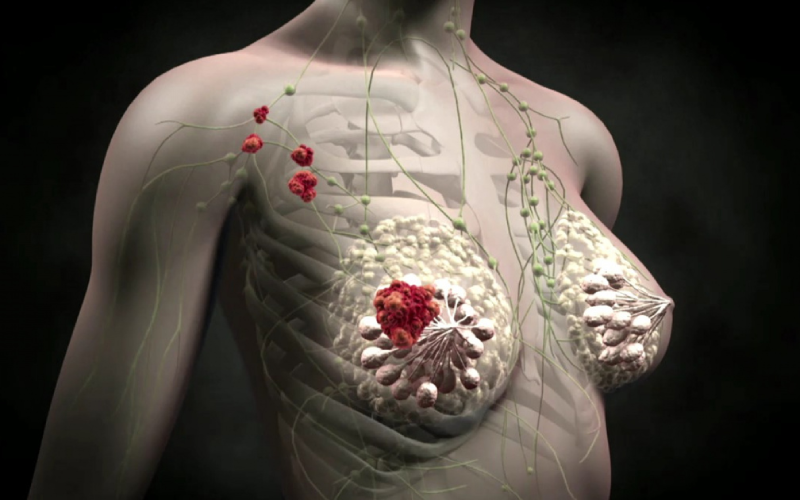
Clinical Insights & Research
Stay informed with the latest research and clinical insights on breast cancer, fibrocystic breast disease, and early detection.
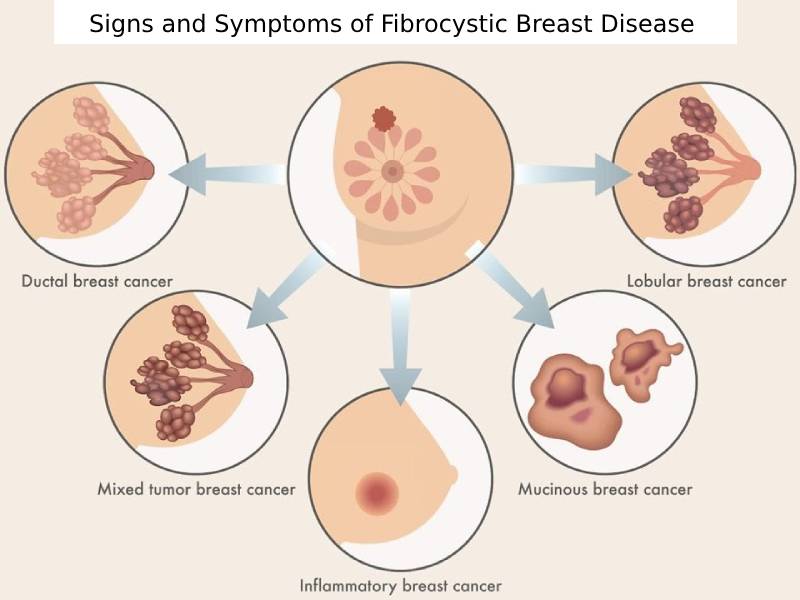 December 2024
Signs and Symptoms of Fibrocystic Breast Disease
Fibrocystic breast changes affect 30%–60% of women during their reproductive years. Understanding the signs is crucial for distinguishing normal variations from potential concerns.
Read Article →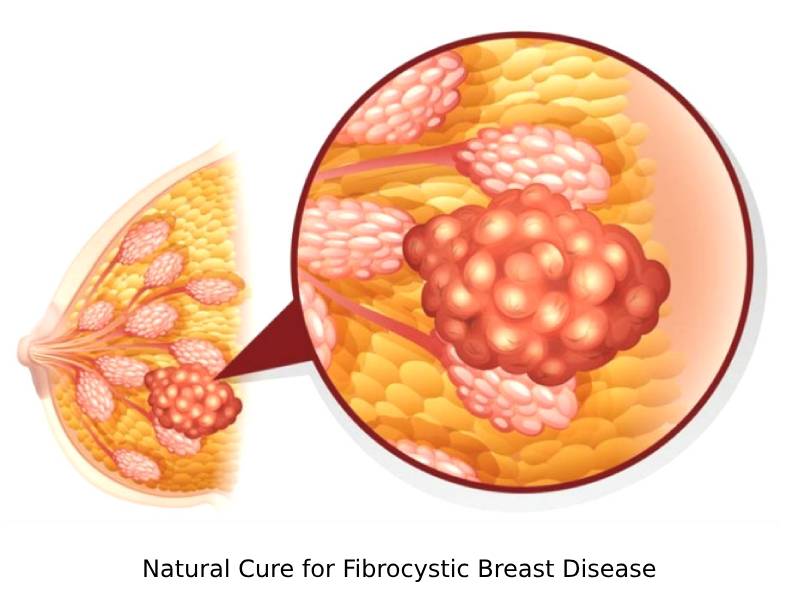 November 2024
Natural Cure for Fibrocystic Breast Disease
Dietary adjustments, supplements, stress management, and lifestyle modifications that can help manage fibrocystic breast discomfort naturally.
Read Article →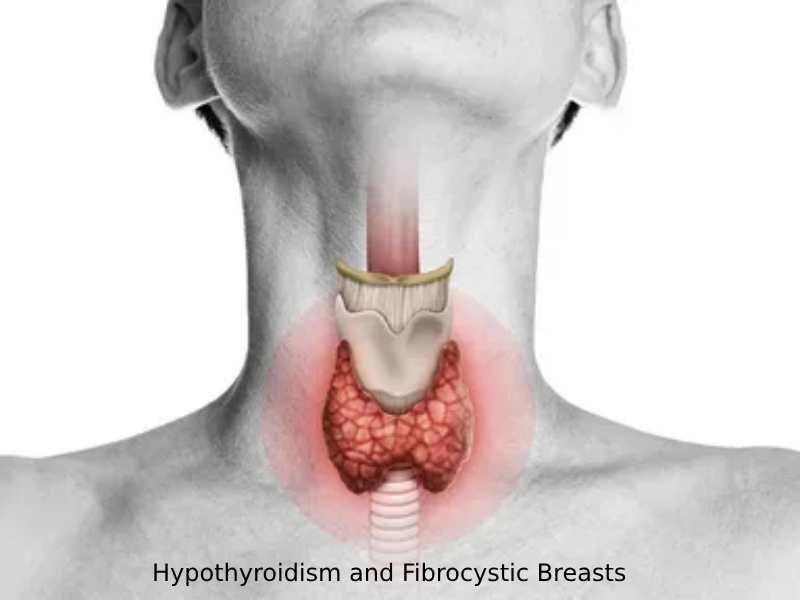 November 2024
Hypothyroidism and Fibrocystic Breasts
Recent studies suggest a potential link between thyroid dysfunction and fibrocystic breast changes. Understanding this relationship can improve patient care.
Read Article →Frequently Asked Questions
BDS is a real-time, high-precision system used to detect cancerous cells in breast masses. A specially designed probe is inserted under ultrasound guidance and results are displayed instantly after removal.
BIRADS-3 masses are difficult to evaluate with standard mammography, especially in young patients with dense breast tissue. BDS provides a rapid, accurate assessment that can guide clinical decision-making without waiting months for follow-up imaging.
In a study of 138 breast masses, BDS achieved 95% sensitivity, 89% specificity, and 90% overall accuracy — significantly outperforming conventional assessment methods for BIRADS-3 masses.
Yes. BDS helps clinicians determine whether a mass requires biopsy or excision, or can be safely monitored with follow-up. This reduces unnecessary surgical procedures for benign masses.
Yes. BDS uses a minimally invasive probe inserted under ultrasound guidance. It has been validated in multiple clinical studies and is designed for safe use in clinical settings.
Contact Aadvik Hospicare — the authorised Indian distributor for Coosa Cancer Care Innovations — for pricing, availability, clinical demonstrations, and installation support across India.
We provide complete after-sales support including installation, clinical training for your staff, AMC contracts, and dedicated technical support to ensure optimal device performance.